SERIES 1, ISSUE 11
SHOP NOTES
What’s in the Bay This Week?
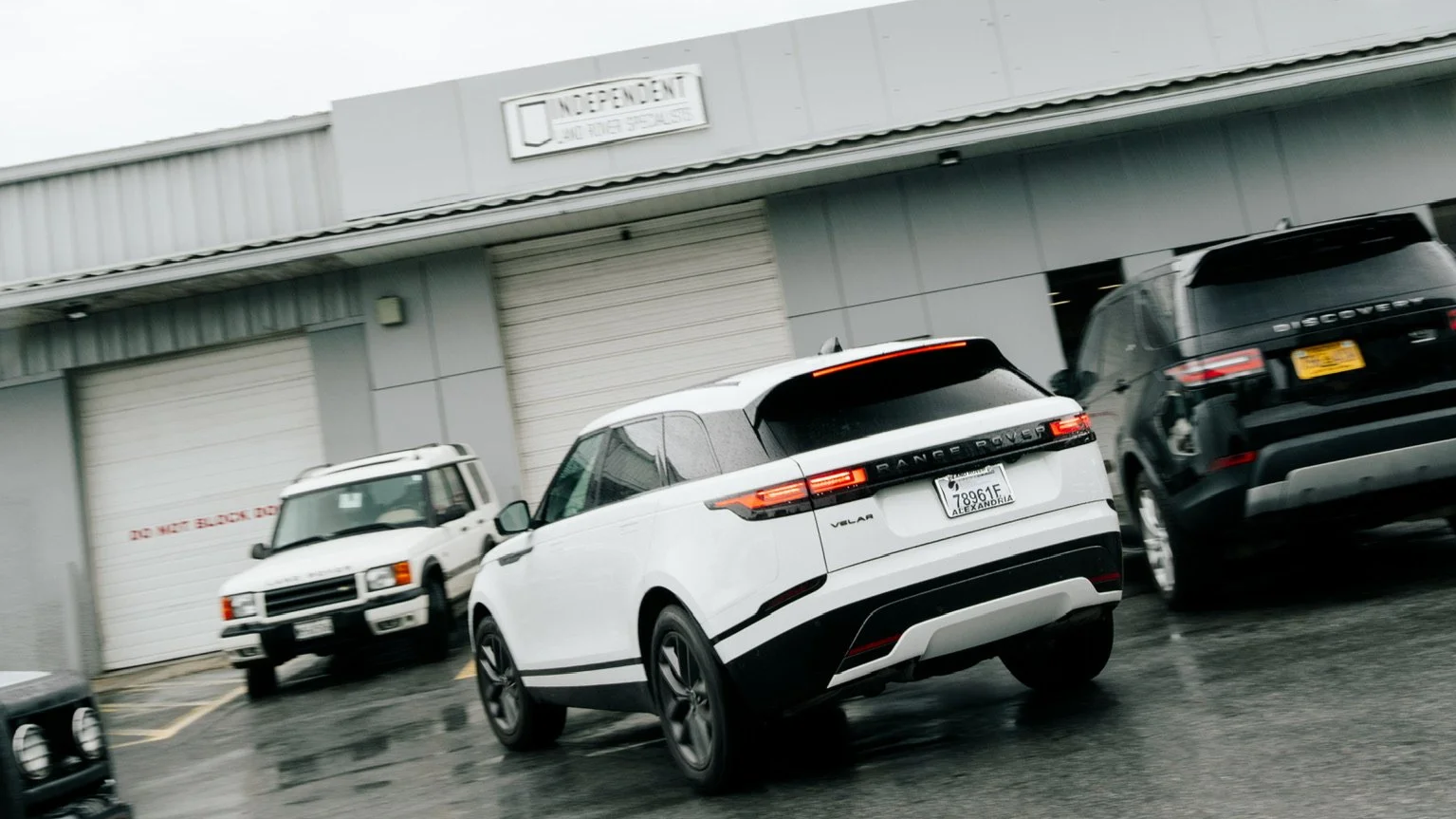
A Range Rover Velar For A Purchase Inspection
A nearly new 2026 Velar came through this week for a pre-purchase inspection. It was picked up from a dealer after a short stint as a courtesy vehicle. If what you want is a new Rover for a used price, this is a smart way to go. A few months of light dealer use translates into meaningful savings off the new price, with very little real-world wear to show for it.
We went through it carefully and found nothing major of concern. The truck presents excellently inside and out, the mechanicals are in good order, and there are no warning signs that would give the prospective owner pause. With proper care going forward, there's no reason it shouldn't deliver many years of reliable, trouble-free service.
An LS3 D110 With A Small Leak
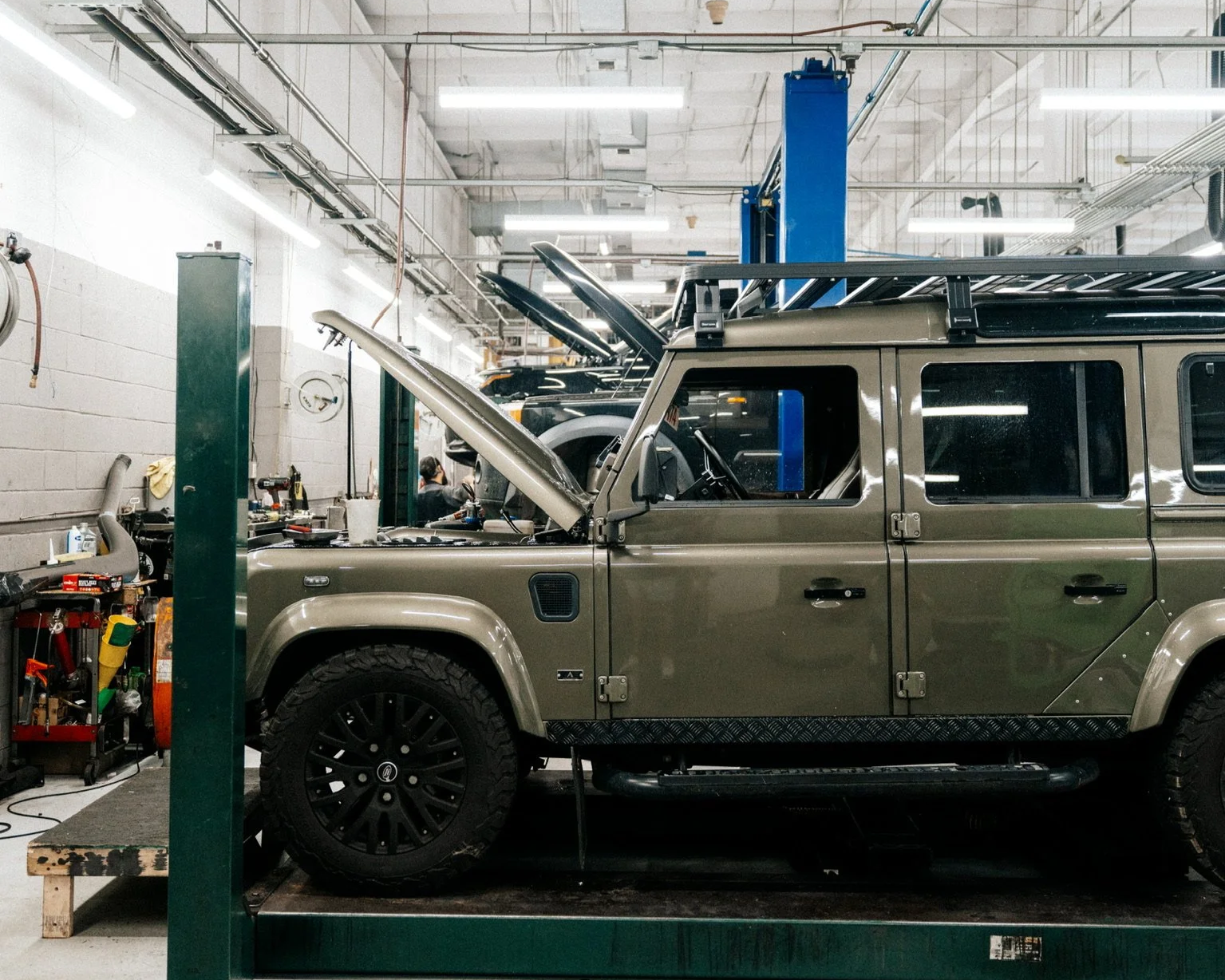
A stunning Arkonik-built 1991 Defender 110 came in this week. As with many other restomod trucks, this one has an LS motor under the hood. Along with the impressive power comes an impressive list of challenges.
The immediate problem is a coolant leak we'll be sorting out, but the larger challenge with any LS-swapped Defender is the balancing act of keeping two very different mechanical and electrical worlds working as one. These conversions are never truly finished.
We see a lot of modified trucks, and they keep us busy. LS swaps make for a fast, powerful truck, but the integration work is where things tend to get complicated. Our own Agulhas builds use Land Rover running gear throughout, and the reason for that is components designed to work together tend to keep working together.
We'll get this one squared away and back on the road properly.
An INDEPENDENT Range Rover Refresh
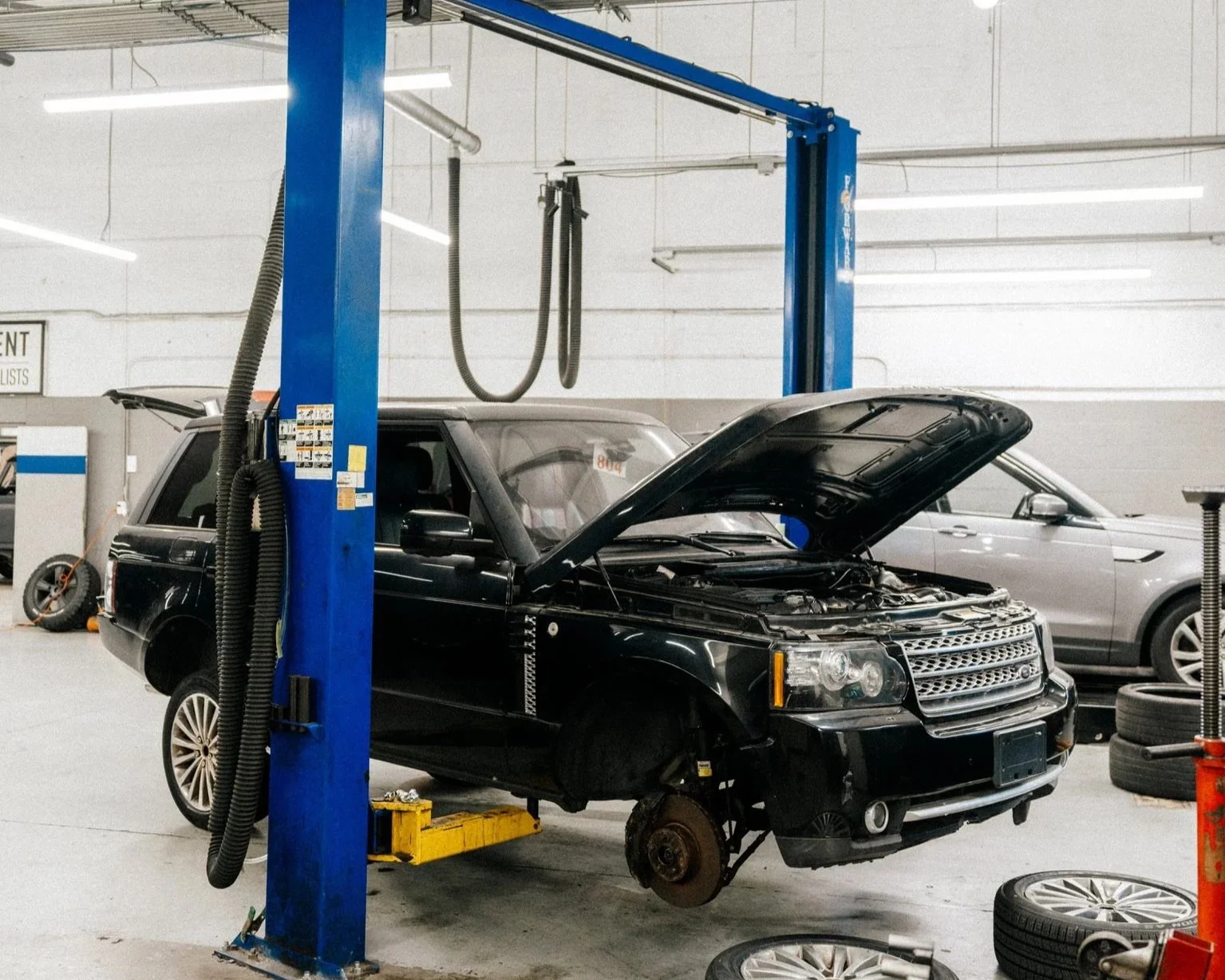
A Range Rover L322 has been in our shop for a while, getting attention on essentially every front. We're working through a list, top to bottom, to bring it back to the standard these trucks are capable of when properly cared for.
The L322 occupies an interesting place in the Range Rover lineage. It was the first of the modern full-size Rovers, and in the right condition, it remains a genuinely excellent truck. Like many examples at this age, this one had accumulated a backlog of deferred maintenance and issues that had slowly added up. Left unaddressed, that's how good trucks become difficult ones. We're not going to let that happen here.
The work is ongoing, but the end is in sight, and when it's finished, this L322 will be heading to our for-sale page ready to start a new chapter.
Keep an eye out.
FIELDCRAFT TIPS
Maintenance and Troubleshooting
Buying an L322 Range Rover: What You Need to Know
The L322 Range Rover ran from 2003 to 2012 and came with three distinct powertrains over its life. If you're shopping for one, knowing which generation you're looking at matters — they drive differently, have different strengths, and come with different things to watch for.
2003–2005: The BMW Era - Early L322s used BMW-sourced engines — a 4.4-litre V8 petrol. These are the most affordable entry points into L322 ownership and have a loyal following, but they're also the oldest cars in the range now. Electrical gremlins and failures of plastic coolant components are the main concern here — early Bosch systems can be troublesome, and finding a specialist who knows them well is important. A good example is a rewarding car, but it requires some budget for maintenance.
2006–2009: The Jaguar Ford Era - From 2006, Land Rover switched to Ford/Jaguar-derived engines — a 4.4-litre V8 and, from 2006, a supercharged 4.2-litre V8 producing around 395 horsepower. The supercharged model is the sweet spot for many buyers; genuinely fast, sonorous, and still very capable off-road. Air suspension is the thing to check on any of these. It will need attention eventually, and a car with a known service history on the suspension is worth paying more for. Transmission cooler lines are another known weak point. Have them inspected before you buy.
2010–2012: The 5.0-Litre Cars - The final generation brought Jaguar's 5.0-litre V8 in both naturally aspirated and supercharged form. These are the most refined L322s — smoother, more powerful, and better equipped than anything that came before. The supercharged version makes 510 horsepower and will surprise you every time you use it. These cars are newer, tend to be better preserved, and command a premium, but they're also the ones most likely to give you a trouble-free ownership experience if you buy carefully.
Regardless of which generation you're looking at, a few things apply universally. Air suspension is the big one; test it thoroughly and check for any sagging or warning lights. Check for rust around the rear subframe and on the underside generally. Have the transfer case and differentials inspected. And perhaps most importantly, find out whether the car has been serviced by someone who knows Land Rovers. A well-loved L322 with records behind it is worth considerably more than a cheap one that's been neglected.
The L322 rewards buyers who do their homework. Get the right one, and you'll have one of the most distinctive, capable, and satisfying vehicles on the road.
ROVER CULTURE
Events and Land Rover News
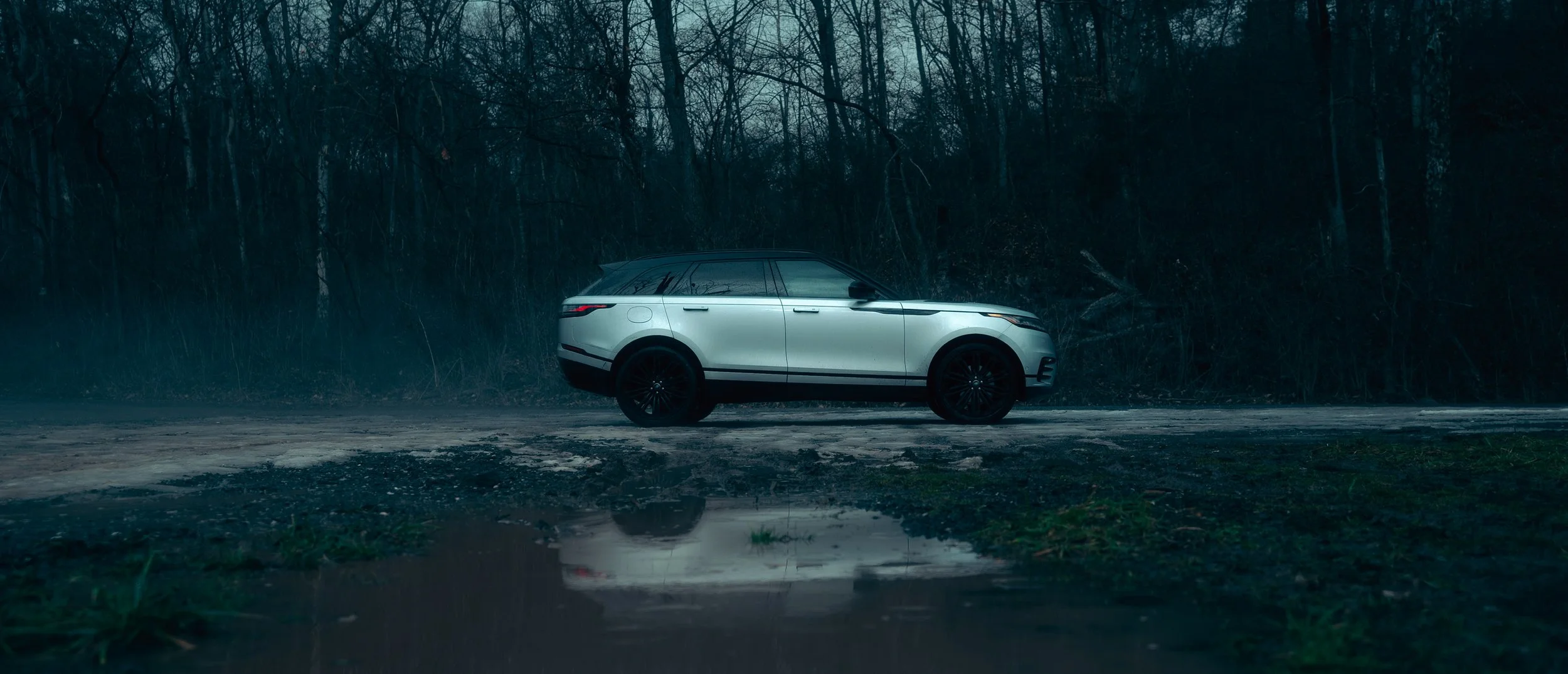
The Velar Name: Why It Matters More Than You Think
When Land Rover revealed the Range Rover Velar in 2017, a lot of people assumed the name was something that sounded suitably exotic and European. In reality, it's one of the most historically significant names in the company's history.
The original Velar was the codename given to the very first Range Rover prototypes in the late 1960s. Land Rover needed to road test the cars publicly without revealing what they were, so they badged them as "Vélars"; a name with no prior meaning, chosen precisely because it meant nothing. Those mules drove around British roads in plain sight while the real identity of the project remained secret. When the Range Rover launched in 1970, the Velar name disappeared, but it never quite went away in the minds of enthusiasts.
Bringing it back wasn't accidental. Land Rover was introducing a new Range Rover that sat between the Evoque and the Sport, a unique position to sell. By reaching back to the original prototype name, they connected the newest member of the family to the very birth of the Range Rover itself. It gave the Velar a story, and in the luxury market, story matters as much as specification.
It worked. The Velar became one of Land Rover’s most design-forward models, winning awards and attracting buyers who might never have considered a Range Rover before. But for those who knew their history, there was something satisfying about seeing that name on a production car at last. A quiet acknowledgment of where it all began.
AGULHAS UPDATES
Current Builds
Rhino Interior Sneak Peak
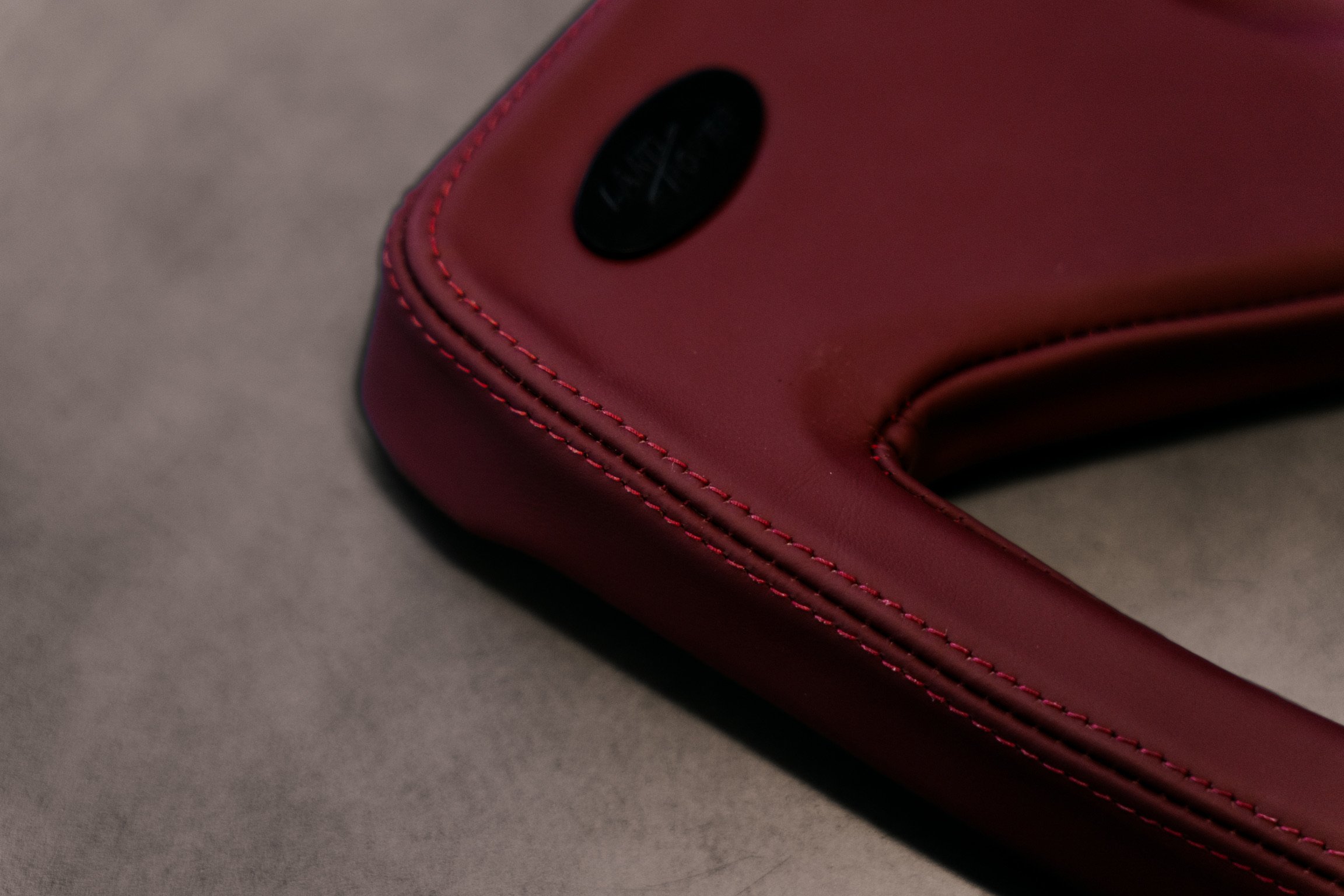
The Agulhas build "Rhino" is moving forward, and this week we have something exciting to share. A set of dash parts just came back wrapped in Bordeaux Red and black leather. They're stunning, if we do say so ourselves. It's the first tangible preview of what the full interior will look like. The combination is rich without being overdone, the kind of spec that feels purposeful and heritage-led, like an Agulhas should.
The rest of the interior is currently in the hands of our upholstery partner Rankin, who are doing the full treatment. If these dash pieces are any indication of what's coming back, the finished cabin is going to be something special. We'll have more to show as the pieces return and come together.
Rhino is shaping up to be one of the more memorable builds to come out of our shop. Stay tuned.