SERIES 1, ISSUE 9
SHOP NOTES
What’s in the Bay This Week?
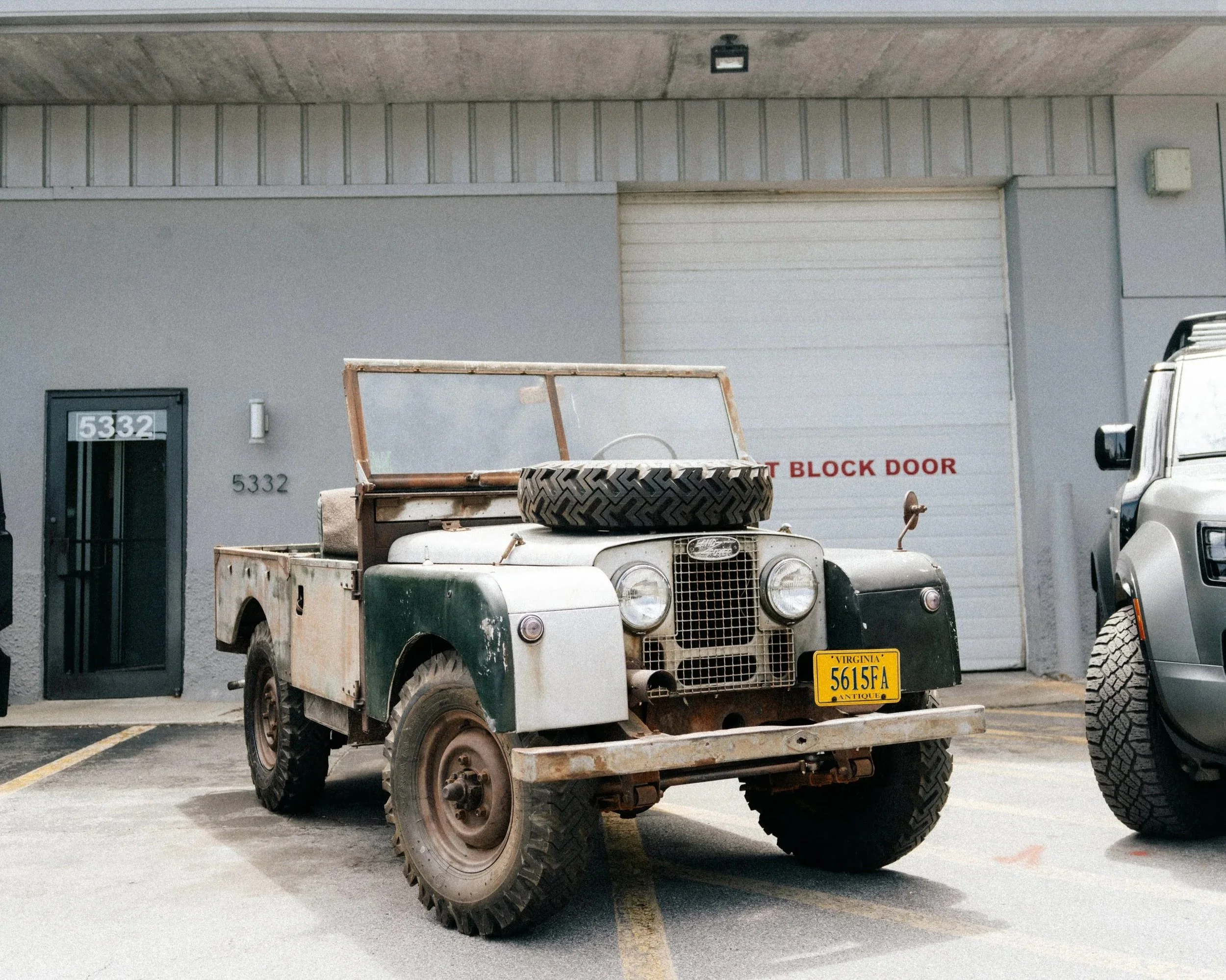
Series I Wearing Full Patina
There's nothing more maddening than a car that starts perfectly, runs beautifully for the first few miles, and then simply gives up. That was the situation with this beautifully patinated Series I Land Rover.
The culprit turned out to be an electric fuel pump that had been installed but never properly wired. As the engine temperature climbed, the pump's marginal electrical connection degraded just enough to starve the engine of fuel. The fix was straightforward once the diagnosis was clear.
A correctly wired replacement pump was installed, and this old girl will soon be back to her reliable self.
But take a look at the beauty on this 1956 Series I. If only it could talk…
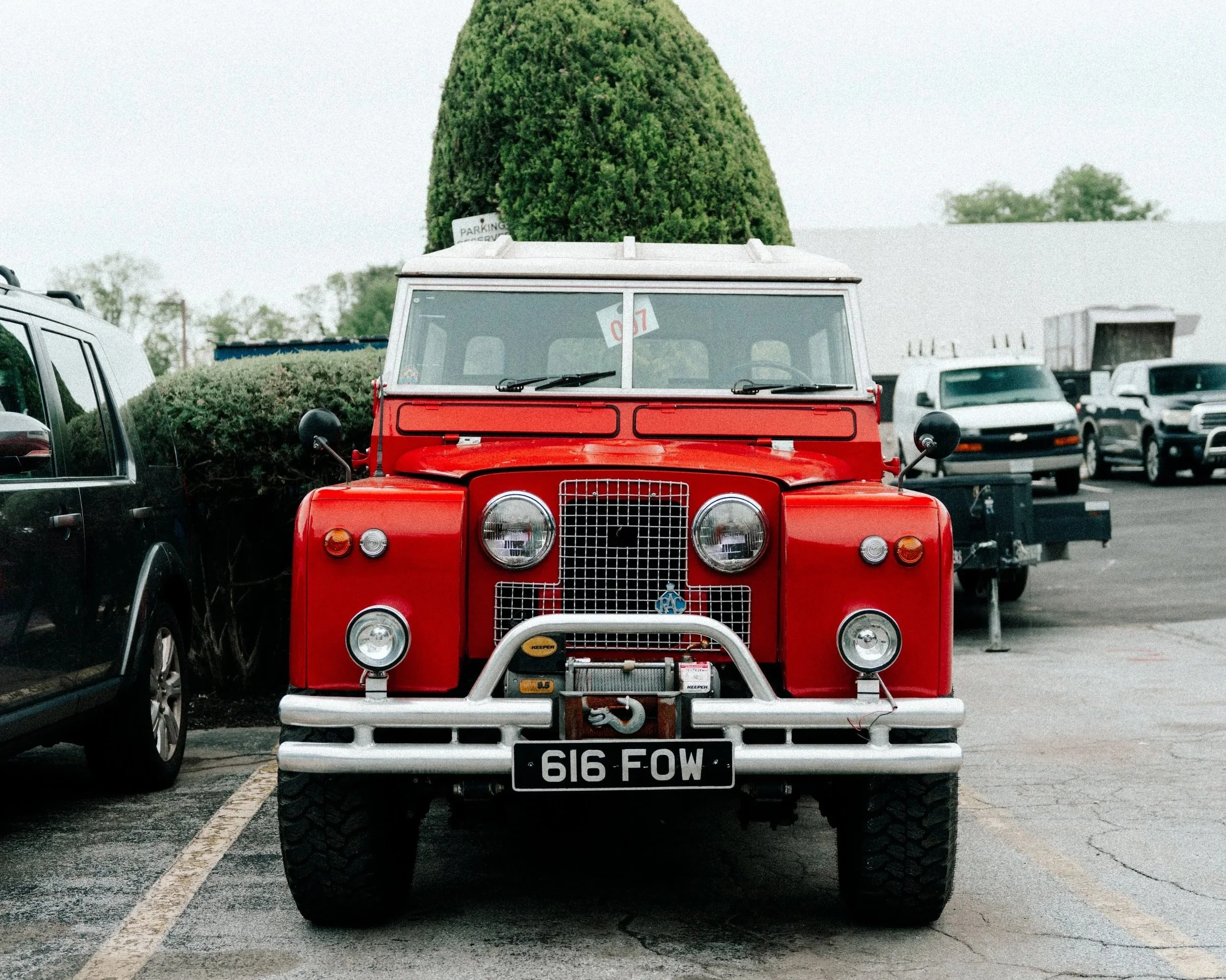
Series II Support
This Series II came to us the way many do - on a trailer. Time has a way of finding every weakness in a vehicle that isn't being driven, and this one had accumulated a collection of mechanical gremlins that made it unfit for the road.
We're working through a minor restoration to address a variety of issues one by one and get it moving under its own power again. We love bringing Rovers back after a long sleep. They were built to last, and with a bit of attention, they usually prove it.
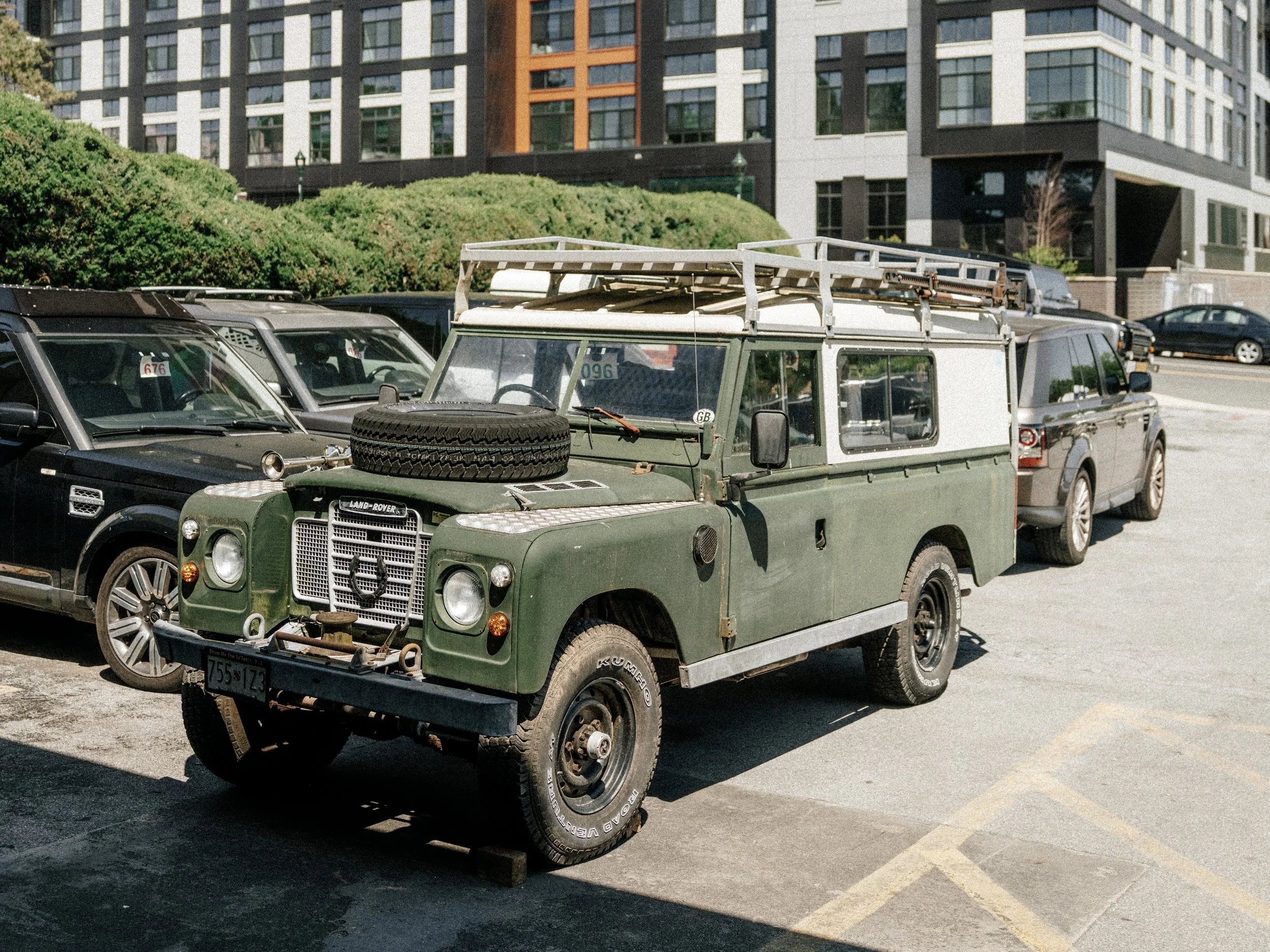
Series III to round it out
Extended storage is rarely kind to any vehicle, and fuel pumps are often the first to show it. This Series III came to us having sat for a considerable stretch of time, and when the owner finally decided it was time to get it running again, the fuel pump had other ideas. Once we identified the failed pump as the root cause, we got to work replacing it and bringing the fuel system back to proper working order.
As for what's next, the owner is weighing options, and there's a chance this one may be listed for sale in the not-too-distant future. If you've been looking for a Series III with a good foundation to build on, it might be worth watching our website. We'll have more details if and when it becomes available.
FIELDCRAFT TIPS
Maintenance and Troubleshooting
Drive It Before It Drives You Crazy
A Series Land Rover that sits is a Series Land Rover that's slowly falling apart. It sounds counterintuitive. After all, if the truck isn't moving, nothing is wearing out. But inactivity is one of the more reliable ways to turn a running vehicle into a project. Seals dry out. Fuel degrades and leaves varnish behind in carburettors and fuel lines. Brake cylinders corrode from the inside. Rubber hoses that would last decades under regular use begin to crack and harden when they're not being asked to do anything.
The mechanical systems on these trucks were designed around the assumption that they'd be used. Regular operation keeps oil circulating through the engine, works the brakes through their full range of motion, and keeps gaskets and seals pliable. A thirty-minute drive does more for the long-term health of a Series than almost anything you can do in the garage.
If your truck will be off the road for an extended period, take steps to account for it. Fuel stabiliser in the tank, a trickle charger on the battery, and a note on the calendar to turn the engine over periodically go a long way. But the honest truth is that none of that is a substitute for actually driving it.
The best thing you can do for a Series Land Rover is also the most enjoyable thing: use it. The trucks that stay healthy are almost always the ones owned by people who can't resist taking them out. That's not a coincidence.
ROVER CULTURE
Events and Land Rover News
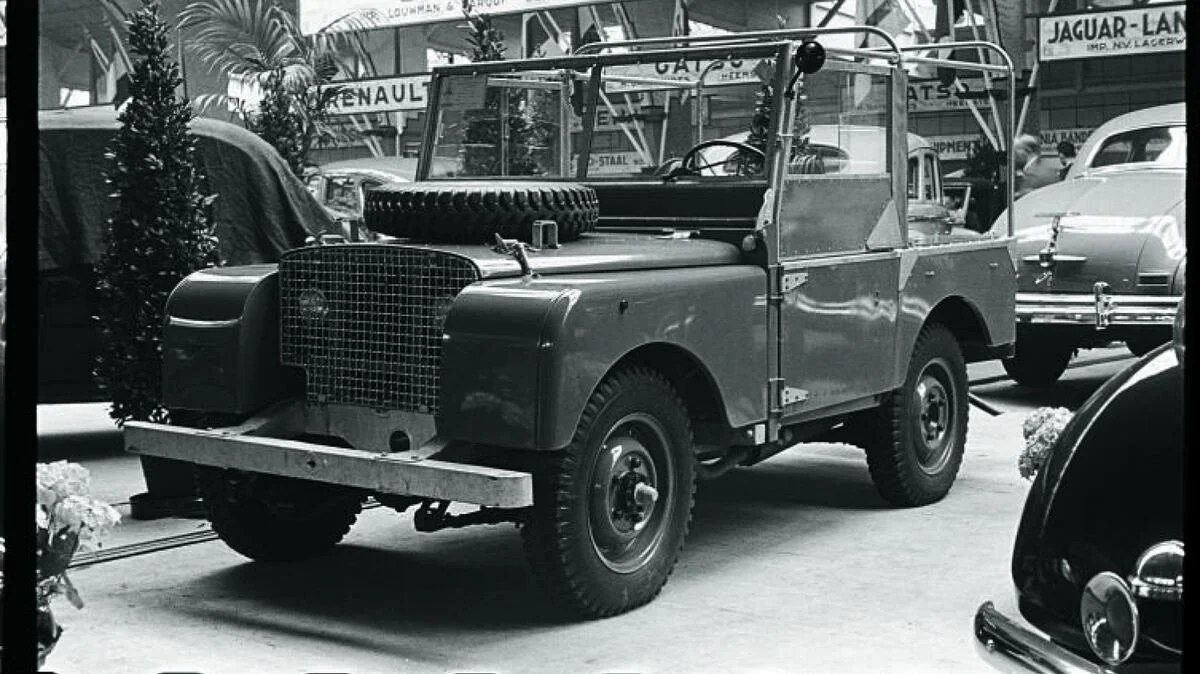
The Legend That Changed The World
On April 30, 1948, the world got its first look at something that would change off-road motoring forever. At the Amsterdam Motor Show, Maurice Wilks, then chief designer at the Rover Company, unveiled a utilitarian, go-anywhere vehicle built on a Jeep chassis with an aluminium body. It had no doors, a centre-mounted steering wheel (so it could be sold in both left- and right-hand drive markets without retooling), and a power take-off to run farm equipment. It wasn't designed to be pretty. It was designed to work.
Nobody expected it to last.
Rover's board approved it as a stopgap, a way to generate cash while the company rebuilt its car range in the post-war years. Steel was rationed, but aluminium wasn't, which is why that distinctive body came to be. The thinking was: sell a few thousand to farmers and move on.
Instead, demand was immediate and overwhelming. The Series I didn't only survive, it defined an entirely new category of vehicle, one that blended genuine off-road capability with everyday usability in a way nothing else had managed. By the time production shifted to the Series II in 1958, over 200,000 had been built.
Every Defender, every Range Rover, every Freelander and Discovery traces its DNA back to that simple but impossibly capable machine that debuted in Amsterdam 78 years ago this week. Not bad for a stopgap.
AGULHAS UPDATES
Current Builds
Agulhas At Gold Cup
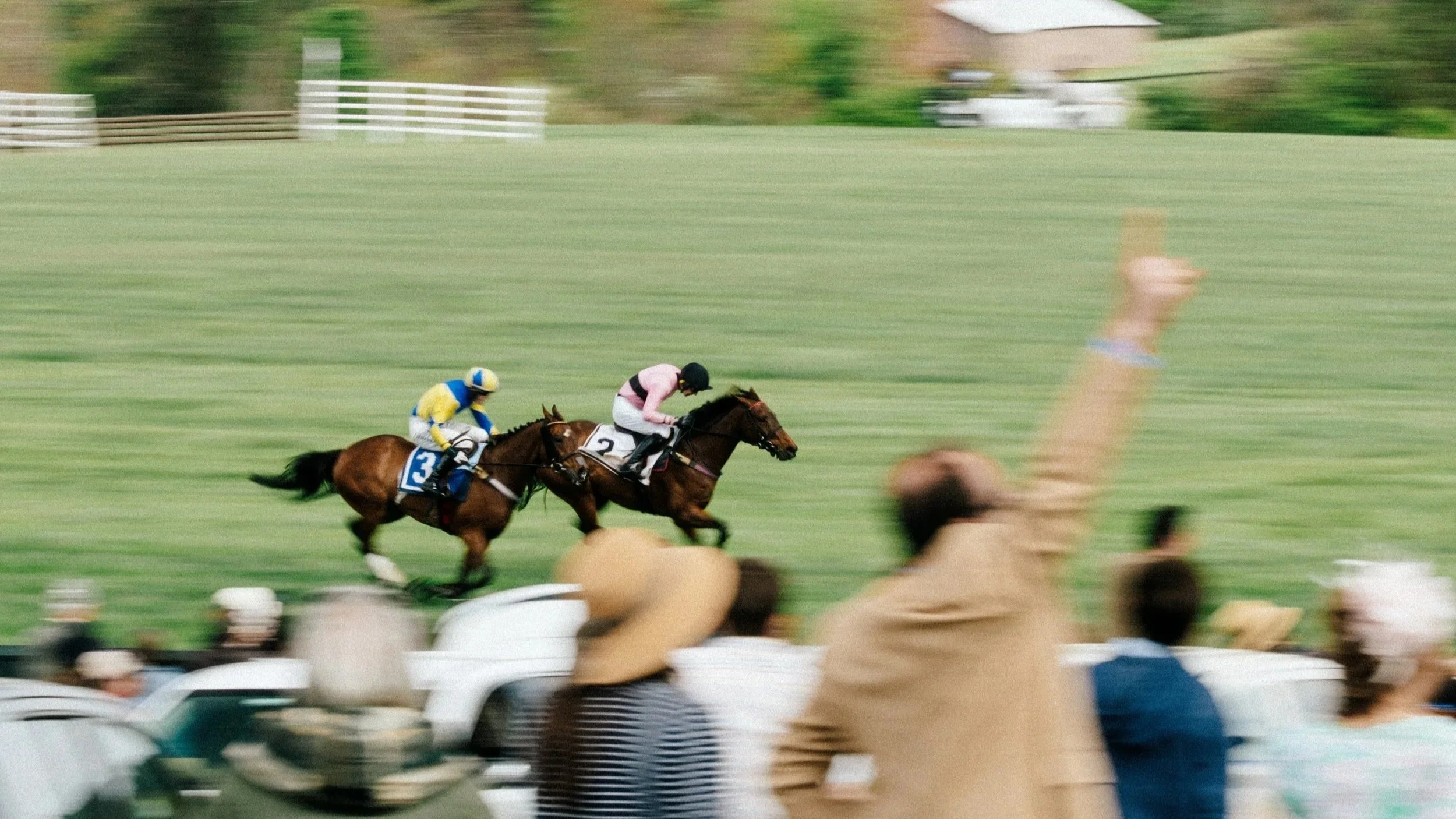
We brought both Charles and Agulhas 1 out to the Virginia Gold Cup this past Saturday, and it was a reminder that nothing goes with Rovers quite like thoroughbred horses.
The crowd was wonderful. Curious and engaged, and genuinely interested in the story behind the builds. We had long conversations about our approach to heritage-led Land Rover design, what it means to build with intention, and why we think the past has a lot to teach us about doing things properly.
The day had its lighter moments, too. The wiener dog races were exactly as serious as they needed to be.
Events like these reinforce our belief that these vehicles belong out in the world, among people, in places with history and character.